
How many boxes fit on one sheet?
Enter the inside size of your box. We draw the flat keyline, count how many fit on A6 to A1 paper and show the lowest paper cost.
Enter length, width and height (18–1000 mm) to see the keyline.
- Smallest sheet
- Lowest paper cost
Estimate only. Sizes, ups and prices are calculated estimates, not a quotation or a production keyline. Confirm both with your printer.
Paper cost is the lowest possible paper-only cost for 300gsm art card, priced by sheet area at RM 1.68/m², the lowest Malaysian retail listing we found (October 2026). It excludes printing, die-cut tooling, finishing, gluing, trimming waste, spoilage, delivery and SST.
Assumes common dieline defaults of a 15 mm glue flap and 15 mm tuck flaps on the longer side, board thickness ignored, 3 mm between boxes, a 5 mm sheet edge and a straight grid layout. Nesting the boxes can fit more.
| Sheet | Size (mm) | Ups | Paper / box |
|---|
Next, see how paper, finish and die-cut change the price.Read the guides
Free to use, with no sign-up. BoxKaki doesn't sell boxes or pass your details to suppliers, so nobody will call you.
Three choices that shape the price
How the paper feels, what goes on the surface and how the box opens all cost money. Settle them before you compare prices.
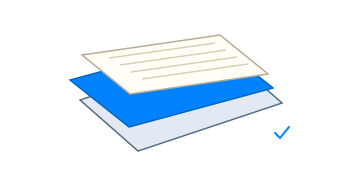
Art card or specialty paper?
Ask for the stock name, weight in gsm and texture. Two quotes can both say "art card" and mean different boards.

Foil, embossing, spot UV or lamination?
Say which finish goes where on the box, and ask to see it on your chosen paper before you approve the order.
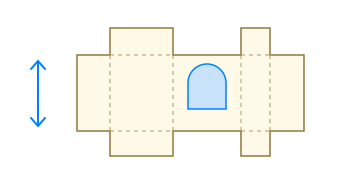
Standard shape or custom die-cut?
Windows, inserts and unusual folds can need their own cutting tool. Put them in the brief so every supplier prices the same box.
Eight things that change the quote
If two prices look far apart, check these first. One supplier may simply be quoting a different box.
Paper
Stock name, grade, weight and texture. "Art card" on its own leaves too much open.
Finishing
Which finish, and exactly where it goes: foil, embossing, spot UV or lamination.
Die-cut structure
The outline, windows, folds and inserts, ideally on a drawing you and the supplier have both agreed.
Printing
How many colours, which sides, how much of the surface, and how many artwork versions.
Dimensions
Internal measurements with units. Check them against the actual product.
Quantity
A lower unit price on a bigger order only helps if you'll actually use the boxes.
Setup and tooling
Which cutting, foil or embossing tools are in the price, and whether you can reuse them next time.
Delivery
Flat or assembled, where the boxes are going, and what the supplier charges to get them there.
Start with these guides
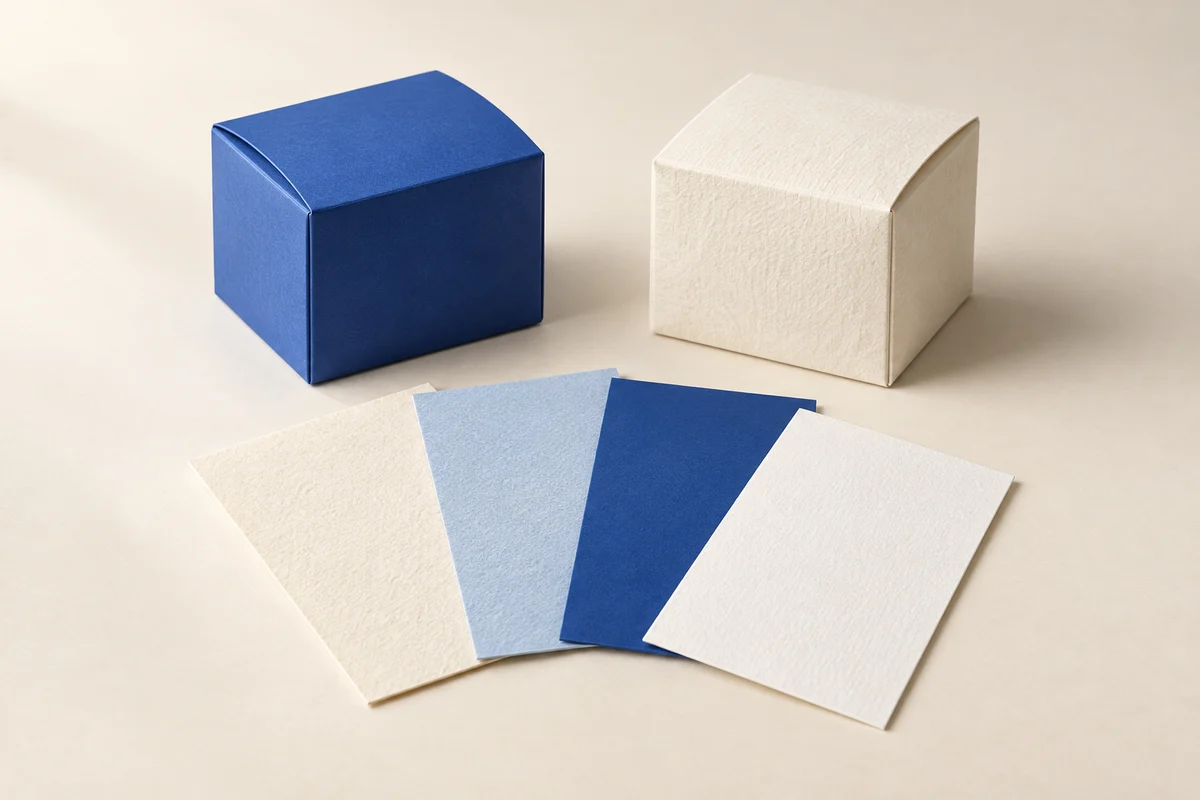
How to compare premium paper box quotations
Check that both suppliers are quoting the same paper, finish and charges before you look at the unit price. 5-minute read.
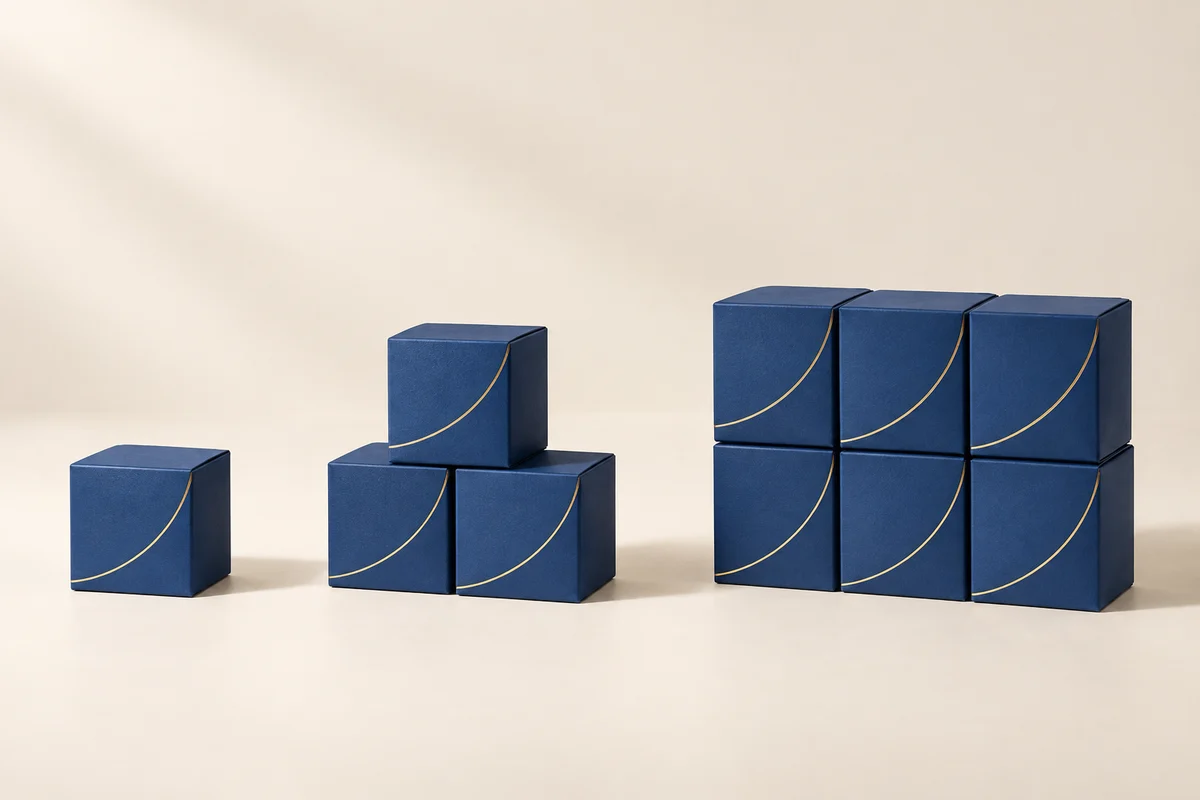
100 vs 500 vs 1,000 premium paper boxes
A bigger order lowers the unit price, but you pay more upfront and may end up with boxes you never use. 5-minute read.
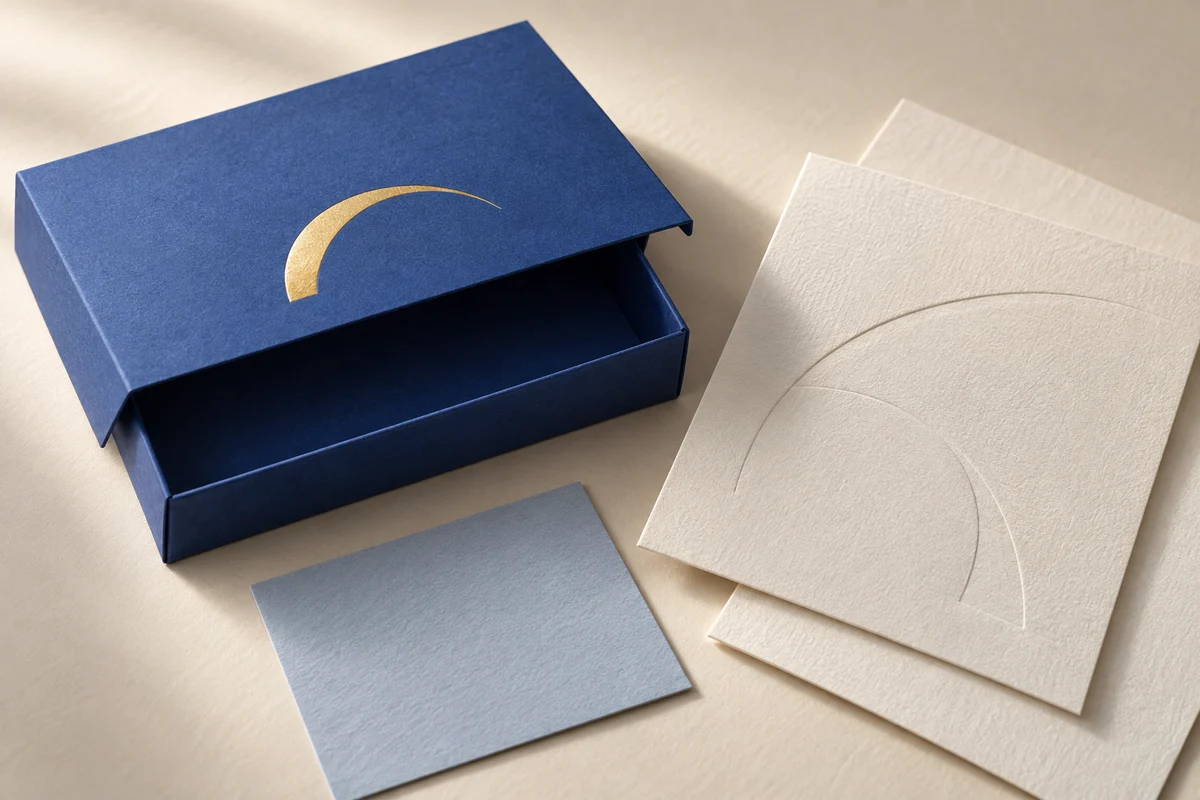
Stock paper box + sticker vs custom print and finishing
Plain boxes with a sticker or fully printed and finished boxes, compared on cost, packing time and appearance. 5-minute read.
Send every supplier the same brief
Our free checklist covers the paper, finish, structure and charges to ask about. You can print it, and we don't ask for your email.
How BoxKaki works
We help you compare what suppliers have actually told you, and point out what still needs a sample or a follow-up question.
We link our sources
Every guide lists the references we used and the date we checked them. Made-up example figures are labelled as examples.Missing costs stay missing
If a quote doesn't mention delivery or tax, the comparison shows it as unknown. A cost included in the production price is never added a second time.You choose the supplier
We don't sell packaging, rank suppliers or collect your enquiries.
BoxKaki gives planning information only. Nothing on this site is a supplier quotation.